
Rainbow Soul
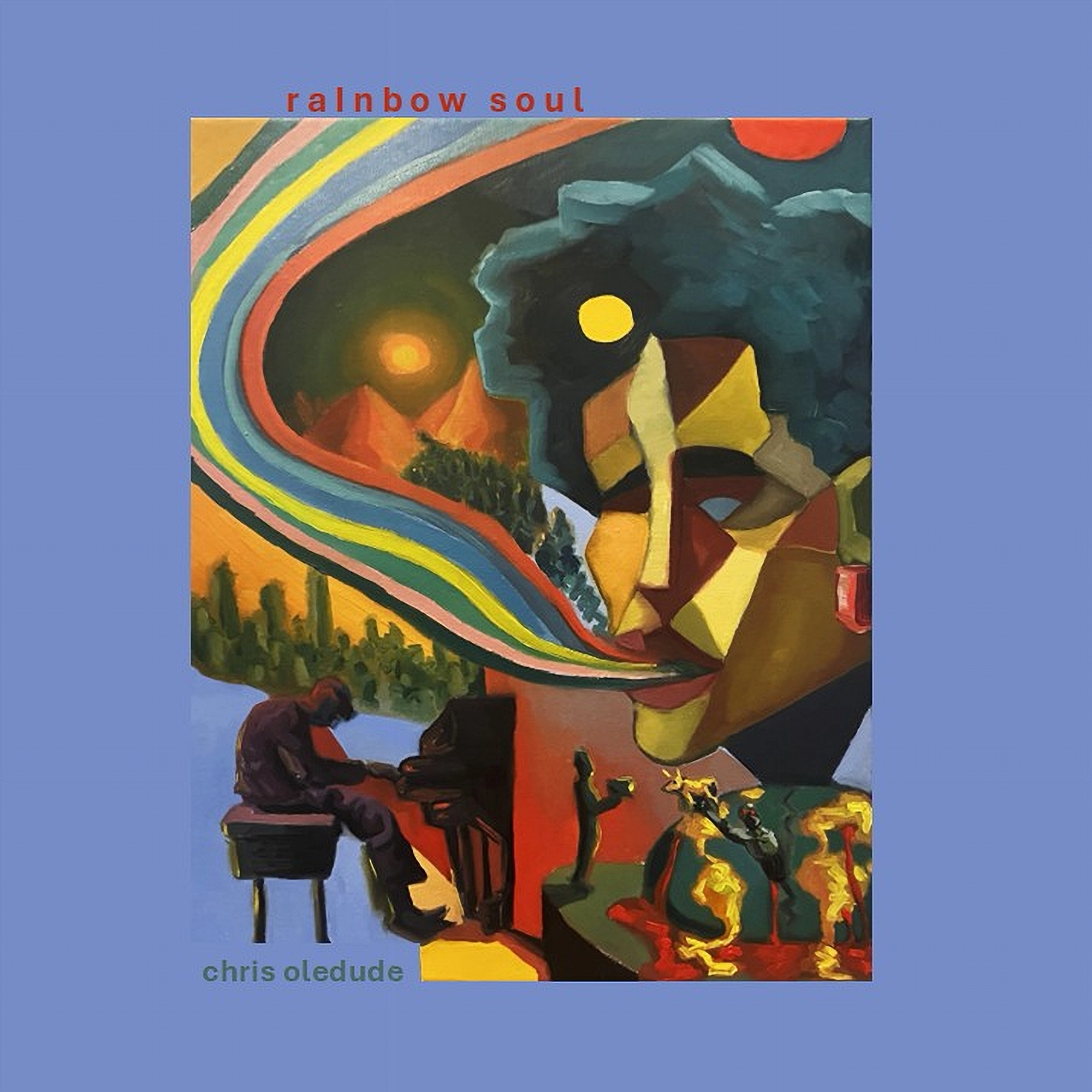
Rainbow Soul
In 1984, Rev. Jesse J. Jackson campaigned for the Democratic Party’s nomination to be President of the United States. This was 12 years after the late Rep. Shirley Chisholm had broken new political ground with her Presidential candidacy. Jackson’s profile was significant, and many voters — both Black and otherwise — were looking for answers to the election of President Ronald Reagan. Not unlike more recent elections featuring Rep. Bernie Sanders, Rev. Jackson was able to create, at least in spirit, the “Rainbow Coalition” as a progressive force within the Democratic Party.
Former Vice President Walter Mondale was the frontrunner for the Democratic nomination. He was a “safe” candidate for the Party and held the “center” and more “right-leaning” Democrats — or so they thought. There was also Senator Gary Hart, who appealed to a different (more flaky) percentage of the center-right Democrats as well as liberal Democrats who liked the handsome, thoughtful, tall white man.
Jackson’s platform was one that most progressive voters would support today. It was quite “left” and even included support for the formation of a Palestinian state and support for Gay rights. The Jackson platform was shut out of the Democratic Party’s national platform that year, but the Rainbow Coalition effort strengthened and became more sophisticated. Four years later, in 1988, Rev. Jackson as a Presidential candidate and the progressive platform espoused by the Rainbow Coalition were much more successful. Most importantly, Jackson’s campaigns led to changes in the Democratic Party’s rules that allowed for a greater level of inclusion for all Democrats in the selection of the Presidential nominee.
In Brooklyn, NY, one of the nation’s most dense Black counties (Black people per square mile), there was a political frenzy. Almost every Black activist and elected official wanted to jump on the Jackson train. In the geographic area formerly represented by Congresswoman Chisholm — and now split into two “Black districts” — there were multiple slates of candidate running for the same New York State Delegate and Alternate slots at the Democratic National Convention. There was no question that Black turnout in the New York State Primary Election would increase, even if no one knew who would actually end up being a Delegate or Alternate.
Witnessing the frenzy up close through his father’s eyes and ears, Chris Oledude was inspired to write the song RAINBOW SOUL. In general, the lyrics speak for themselves and include a phrase written by his father, the late Congressman Major Owens. Over the years, however, Oledude updated the lyrics slightly to also pay homage to Owens’ esteemed colleague and friend in the House of Representatives, John Lewis. Oledude also made a musical shift. The original 1984 version of Rainbow Soul was a fast 4/4 Gospel beat. The 2025 version has more “funk.”
The additional change was the use of the rainbow as a symbol supporting the LGBTQIA communities. Oledude welcomed this “expansion” of the message. “My lyrics are not specifically tailored to LGBTQIA issues, but I believe that supporting love and peace means supporting all people’s right to live and love freely.”
As we close out 2025, RAINBOW SOUL has emerged as an anthem for all efforts to infuse our policy and political decisions with humanity … with love … with the rainbow.